When travelers think about Venice, they imagine St. Mark’s Square, gondolas, and grand palaces reflected in the canals. Yet beyond the iconic landmarks lies a quieter, greener world scattered across the Venice lagoon islands — a constellation of secret orchards, cloister gardens, vineyards, and reforested landscapes accessible only by water.
Exploring these islands by boat reveals a side of Venice that few visitors truly experience. It is a journey through nature, history, and tradition — where monks cultivated silent gardens, rare grapes survived floods, and modern ecological projects are shaping the future of the lagoon.
If you are looking to discover the authentic soul of the Venice lagoon islands, this botanical itinerary offers a unique and seasonal perspective.
A Green Soul Hidden in the Lagoon
The Venice lagoon islands have always been more than picturesque destinations. For centuries, they were agricultural hubs supplying the city with vegetables, fruit, wine, and medicinal herbs. Monasteries, noble families, and farming communities carefully cultivated the land, creating enclosed gardens protected from wind and salt.
Because the lagoon has no roads, boats were — and still are — the only way to reach many of these green sanctuaries. Traveling by water is not just transportation; it is part of the identity of the lagoon itself.
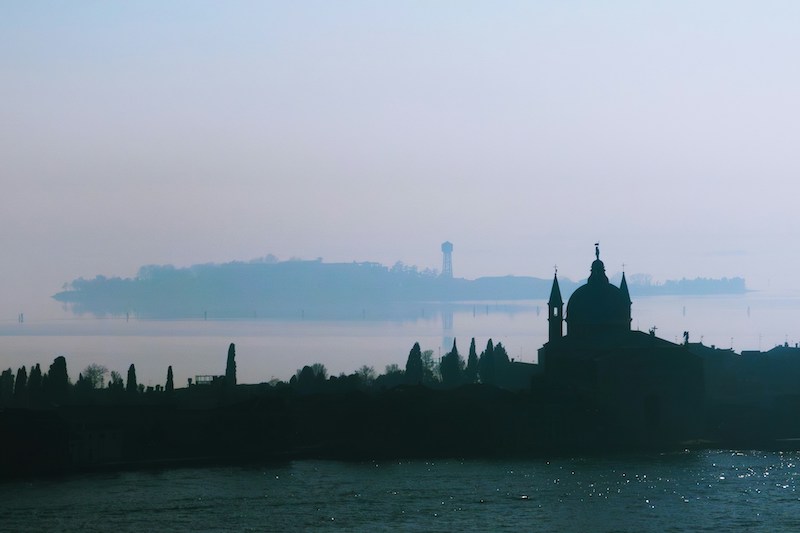
As you glide across open waters, Venice slowly fades into a distant silhouette, replaced by wide horizons, fishing nets, vineyards, and quiet monasteries. This is the living landscape of the Venice lagoon islands.
Giudecca: Convent Gardens and Social Agriculture
Among the closest and most surprising of the Venice lagoon islands is Giudecca. Located just across from St. Mark’s Basin, it offers a completely different atmosphere — spacious, residential, and deeply rooted in tradition.
Historically home to convents and religious institutions, Giudecca preserved large internal gardens hidden behind brick walls. These convent gardens were essential for food production and self-sufficiency. Vegetables, fruit trees, and medicinal herbs flourished in carefully tended plots.
Today, parts of these spaces continue to live through social gardens and community agricultural initiatives. Walking through Giudecca reveals fig trees, artichokes, grapevines, and aromatic plants growing between historic buildings.
Giudecca demonstrates how the Venice lagoon islands have always balanced spirituality, sustainability, and daily life.
Mazzorbo: The Walled Vineyard of the Lagoon
Further north, near colorful Burano, lies Mazzorbo — one of the most agriculturally significant Venice lagoon islands.
Here stands the famous vigna murata of Venissa, a historic vineyard enclosed by ancient brick walls. Inside grows Dorona di Venezia, a rare native grape variety once cultivated in the gardens of Venetian palaces.
After the catastrophic flood of 1966, this grape nearly disappeared. Thanks to careful research and restoration, it has been replanted and revived in Mazzorbo’s protected soil.
The lagoon environment gives the vines a distinctive mineral character, shaped by salt air and centuries of adaptation. Visiting this vineyard offers not only a wine experience but also a deeper understanding of how agriculture has survived within the fragile ecosystem of the Venice lagoon islands.
In spring, the vines sprout vibrant green shoots. In summer, they stretch toward the sun. Autumn transforms the vineyard into a golden mosaic during harvest time — one of the most evocative seasons in the lagoon.
San Francesco del Deserto: A Monastic Garden of Silence
Among the most enchanting of the Venice lagoon islands is San Francesco del Deserto, a small monastery island inhabited by Franciscan friars.
Accessible only by private boat, this island feels suspended outside time. Tradition says Saint Francis of Assisi visited here in the 13th century. Today, the monks maintain a peaceful cloister garden framed by cypress trees and flowering plants.
The garden is simple and harmonious — a space designed for meditation rather than display. The silence is profound, broken only by birdsong and the gentle movement of water against the island’s edges.
San Francesco del Deserto represents the spiritual dimension of the Venice lagoon islands. Here, nature is not ornamental; it is contemplative. The garden becomes a bridge between the human and the divine.
Certosa: Reforestation and Environmental Renewal
Closer to Venice’s historic center lies Certosa, an island that tells a different story — one of transformation and environmental renewal.
Once home to a Carthusian monastery and later used for military purposes, Certosa is now undergoing ecological regeneration. Large areas have been dedicated to reforestation and biodiversity projects, aimed at protecting the fragile lagoon ecosystem.
Young trees and native plants are being reintroduced to strengthen the land against erosion and rising tides. Walking through Certosa offers a powerful contrast to Venice’s dense architecture — wide green spaces replacing stone and marble.
Certosa highlights the future of the Venice lagoon islands, where sustainability and environmental awareness are essential to preserving the lagoon for generations to come.
A Seasonal Experience in the Venice Lagoon Islands
One of the most extraordinary aspects of exploring the Venice lagoon islands is the seasonal transformation of their gardens:
- Spring brings blossoms and fresh growth.
- Summer fills the air with herbs and ripening fruit.
- Autumn celebrates harvest season with warm colors and golden light.
- Winter reveals minimalist beauty — bare branches against misty waters.
Each season offers a different atmosphere, making every visit unique.
Why These Islands Can Only Be Reached by Water
What makes the Venice lagoon islands so special is their inaccessibility by conventional means. There are no roads connecting them to the mainland or to Venice’s narrow streets. The lagoon itself is the only pathway.
For centuries, boats transported monks, farmers, harvests, and travelers across these waters. Experiencing the islands by boat preserves that authentic rhythm. The journey becomes part of the destination — with open horizons, shifting reflections, and distant bell towers marking the way.
Discover the Authentic Venice
Exploring the gardens and vineyards of the Venice lagoon islands reveals a side of Venice often overlooked. Beyond the crowds and monuments lies a living landscape shaped by agriculture, spirituality, and environmental care.
It is here that Venice feels most intimate — where convent walls hide orchards, vineyards survive within ancient bricks, monks cultivate silence, and new forests rise from reclaimed land.
For those wishing to explore these hidden corners comfortably by water, organized lagoon excursions and transfers are available through Serenissima Tour, a historic Venetian company operating since 1924.
You can discover more about routes and experiences across the Venice lagoon islands here:
👉 https://serenissimatour.it/en/
Because the true essence of Venice is not only found in its squares and palaces — but in the quiet green islands that emerge from the lagoon, waiting to be reached by boat.