The Venice Biennale is one of the world’s most celebrated contemporary art events, but behind every exhibition lies a world of unexpected stories, creative experiments, and fascinating details.
The 61st International Art Exhibition, In Minor Keys, runs until November 22, 2026, offering visitors one last opportunity to discover an extraordinary artistic journey through the Giardini, the Arsenale, and other locations across Venice.
But what makes this edition particularly special?
From literary inspirations to surprising artistic spaces, here are seven curiosities that reveal a different side of the Venice Biennale 2026.
1. The Exhibition Was Inspired by Music
The title In Minor Keys might suggest melancholy, but the exhibition explores something much more complex.
Conceived by curator Koyo Kouoh, the theme draws inspiration from musical minor keys to explore quieter forms of creativity, resilience, hope, and human connection.
Rather than focusing exclusively on spectacular installations, the exhibition encourages visitors to appreciate subtle artistic gestures and emotional experiences.
It is an invitation to slow down, listen, and discover beauty in unexpected places.
2. Literature Helped Shape the Artistic Vision
One of the most fascinating aspects of Biennale Arte 2026 is its connection to literature.
Among the inspirations behind the exhibition are two celebrated novels: Beloved by Toni Morrison and One Hundred Years of Solitude by Gabriel García Márquez.
Both works explore memory, identity, imagination, and the relationship between reality and the extraordinary.
These literary influences help explain why many artworks invite visitors to move beyond conventional interpretations and enter more personal, dreamlike worlds.
3. The Exhibition Includes Artistic Spaces Designed for Rest
Contemporary art exhibitions often encourage visitors to move quickly from one installation to another.
In Minor Keys takes a different approach.
Some spaces are conceived as artistic oases, inviting visitors to pause, reflect, and experience art without rushing.
These environments evoke gardens, studios, courtyards, and places of collective learning.
In a city like Venice, where discovering hidden corners is part of the experience, this slower approach feels particularly appropriate.
4. Seven Countries Are Participating for the First Time
The Venice Biennale has always been a meeting point for artistic traditions from around the world.
In 2026, seven countries make their debut at the International Art Exhibition: Guinea, Equatorial Guinea, Nauru, Qatar, Sierra Leone, Somalia, and Vietnam.
Their participation introduces new artistic perspectives and cultural narratives, enriching the international character of the event.
With 100 National Participations across the Giardini, Arsenale, and Venice city centre, the exhibition offers an extraordinary opportunity to explore contemporary creativity from different regions.
5. The Arsenale Features a Special Project About Museums and Memory
The Arsenale is one of Venice’s most fascinating historical locations.
Once the centre of the Venetian Republic’s naval power, today it provides an extraordinary setting for contemporary art.
At the Applied Arts Pavilion, artist Gala Porras-Kim explores the relationship between cultural objects, museums, conservation, and the ways institutions interpret history.
Her project brings together different artistic media to question how objects acquire meaning through collection, classification, and preservation.
It is an especially intriguing subject in Venice, a city where history and artistic heritage are visible almost everywhere.
6. Forte Marghera Offers a Different Biennale Experience
Not every Biennale installation is located in Venice’s historic centre.
At Forte Marghera, on the mainland, special projects introduce visitors to a different environment, combining contemporary art with open spaces and historical architecture.
Among the participating artists are Temitayo Ogunbiyi, Uriel Orlow, and Fabrice Aragno.
Their works explore themes including interaction, nature, movement, and the relationship between images and space.
For visitors interested in discovering the Biennale beyond its best-known venues, Forte Marghera offers another perspective on the exhibition.
7. The Exhibition’s Visual Identity Was Inspired by Sunlight Through Leaves
Even the graphic design of Biennale Arte 2026 has an unexpected story.
Its visual identity draws inspiration from komorebi, a Japanese word describing sunlight filtering through the leaves of trees.
This delicate natural phenomenon reflects the exhibition’s interest in quiet beauty, changing perceptions, and moments of contemplation.
The concept appears in the exhibition’s graphic materials, while sweeping indigo banners help shape the visitor experience inside the Giardini and Arsenale.
It is a reminder that contemporary art can transform not only what we see, but also how we experience the spaces around us.
Beyond the Biennale: Discover Another Side of Venice
Visiting Biennale Arte 2026 is also an opportunity to discover Venice beyond its exhibition spaces.
The city itself is a remarkable meeting point between art, craftsmanship, architecture, and centuries of maritime history.
After exploring the Giardini or Arsenale, why not continue your cultural journey across the Venetian Lagoon?
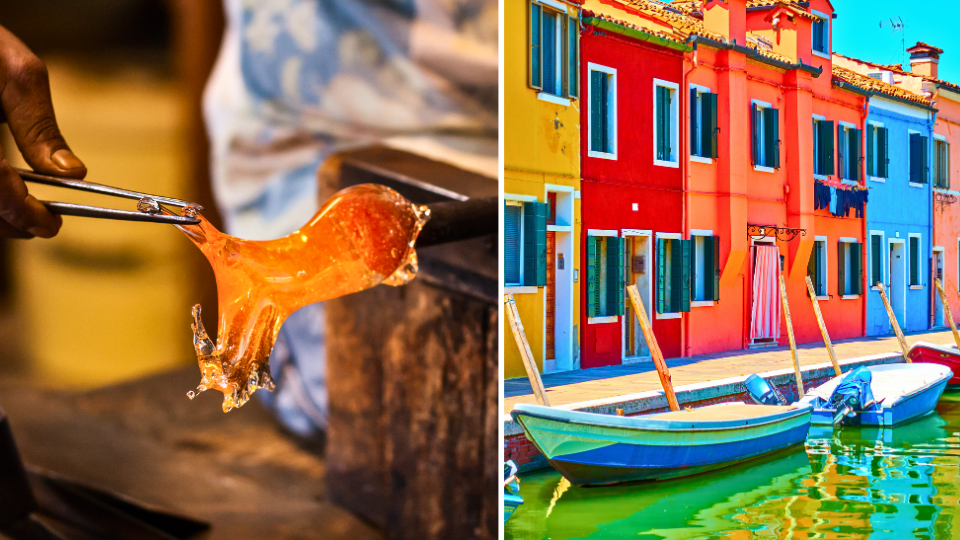
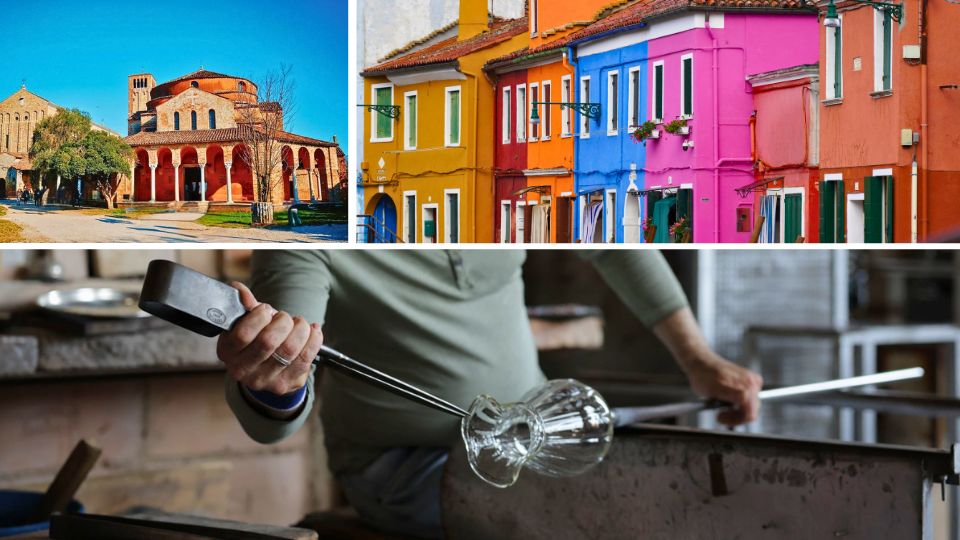
With Serenissima Tour, visitors can discover Murano, famous for its centuries-old glassmaking tradition, and Burano, celebrated for its colourful houses and traditional lace craftsmanship.
A boat excursion offers a different perspective on Venetian creativity, connecting the contemporary artistic world of the Biennale with the living traditions of the lagoon.
Discover the available experiences at Serenissima Tour.
Experience the Final Weeks of Biennale Arte 2026
With the exhibition closing on November 22, November offers the final opportunity to explore In Minor Keys.
Whether you are passionate about contemporary art or simply curious about Venice’s cultural life, this edition reveals how creativity can emerge through unexpected encounters, small details, and new ways of seeing the world.
And once your artistic journey ends, the Venetian Lagoon is waiting to reveal even more stories.
For exhibition information and tickets, visit the official Venice Biennale website.